Quick Contact!
For the fastest reply, call us at (678) 635-5429.

Quick Contact!
For the fastest reply, call us at (678) 635-5429.
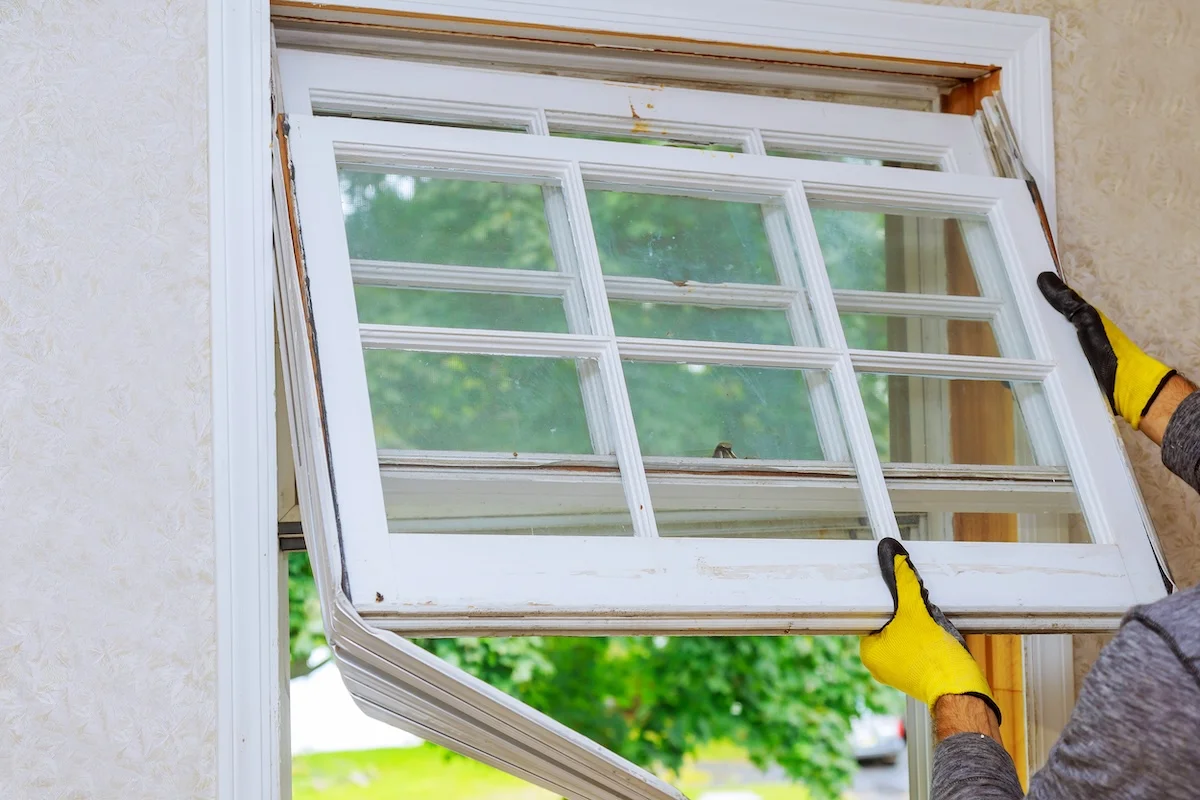
Your windows and doors do more than let in light and welcome guests. They also control how much heated and cooled air escapes your home and how much outdoor heat or cold seeps in. When these openings are old, cracked, or poorly sealed, your heating and cooling system works harder, and your energy bills climb. Window and door replacement is one of the most effective ways to improve energy efficiency, boost comfort, and protect your home’s value. In this guide, you will learn how energy-efficient windows and doors work, which features matter most, what replacement costs, and how to choose the right products for your home in Georgia’s hot, humid climate.
Windows and doors are among the weakest points in a home’s thermal envelope. Consequently, they often account for a significant share of heat loss in winter and heat gain in summer.
Common sources of energy loss include:
Furthermore, drafts you can feel are only part of the problem. Heat also moves through glass and frame materials even when the unit appears tight. Modern efficient products address both issues, which is why replacement can make such a noticeable difference.
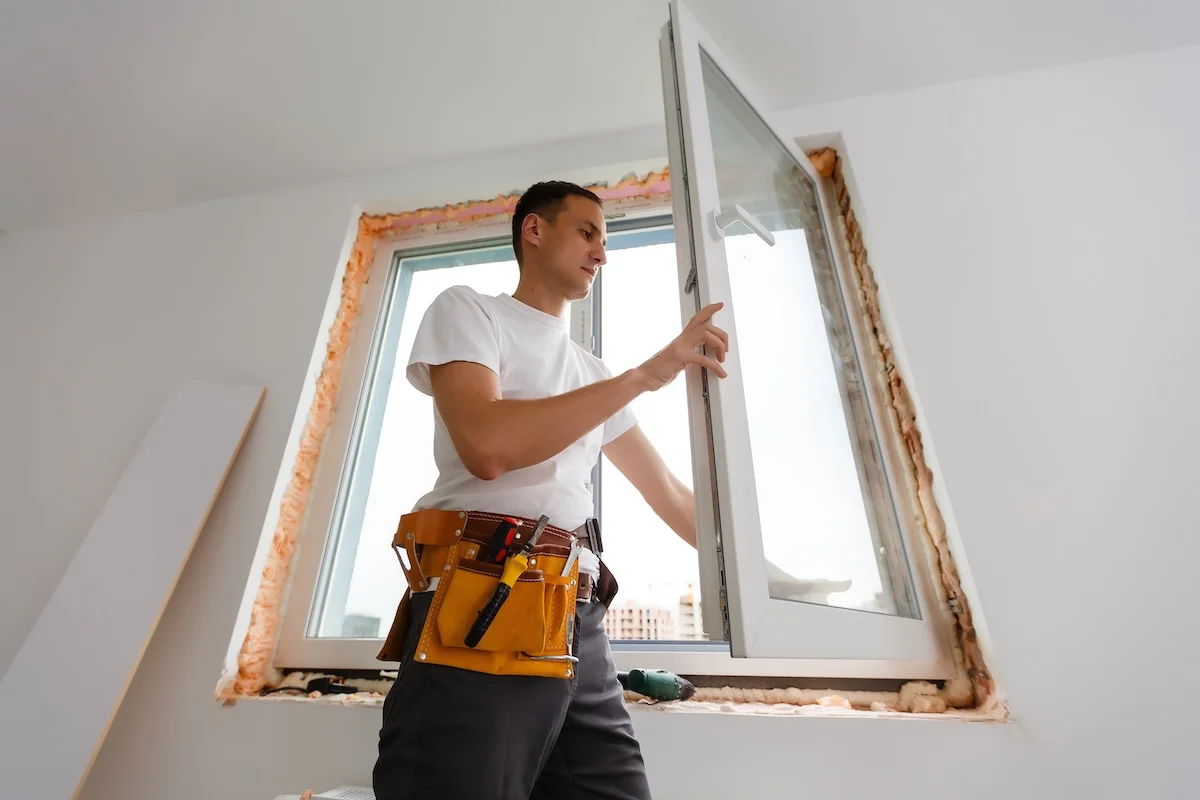
Not all windows and doors perform the same way. Therefore, understanding a few key ratings helps you compare products with confidence.
The U-factor measures how well a window or door insulates. Lower numbers indicate better insulation.
The solar heat gain coefficient measures how much solar heat passes through the glass. Lower numbers block more heat.
Air leakage ratings indicate how much air passes through a closed window or door. Lower numbers mean tighter seals.
ENERGY STAR certification identifies products that meet strict efficiency criteria set by the U.S. Environmental Protection Agency. Additionally, certified products often qualify for federal or utility incentives, depending on the program and year.
Learn more about certified products through the ENERGY STAR program, which explains how ratings are determined and which products qualify.
Several window styles offer strong energy performance. Consequently, the right choice depends on your home’s design, budget, and how you use each room.
Popular options include:
Double-Pane Windows
Triple-Pane Windows
Low-E Coated Windows
Gas-Filled Windows
Moreover, many manufacturers combine these features, so a single window may include double panes, Low-E glass, and argon fill.
Doors contribute to energy loss just as windows do. Therefore, upgrading exterior doors can improve comfort and reduce drafts throughout the home.
Common door materials include:
Fiberglass Doors
Steel Doors
Wood Doors
Patio and Sliding Doors
Furthermore, a quality door with proper weatherstripping, a solid threshold, and a well-sealed frame can stop drafts that older doors let in freely.
Energy savings often drive window and door replacement, but the advantages extend further. Additionally, many homeowners notice improvements they did not expect.
Benefits include:
Moreover, a well-planned replacement can boost resale appeal. Buyers often look for updated, efficient windows and doors, and that interest can help a home stand out on the market.
Costs vary widely based on size, material, glazing, and labor. Therefore, budgeting with realistic ranges helps you plan wisely.
Approximate cost ranges include:
Several factors influence final pricing:
Potential savings also vary. Energy savings depend on your existing windows, your local climate, your heating and cooling use, and your energy rates. Consequently, a professional energy assessment can estimate expected savings for your specific home.
Some efficiency upgrades qualify for rebates, tax credits, or utility programs. However, eligibility rules change over time, so verify current details before purchasing.
Ways to research incentives include:
A successful project starts with careful planning. Therefore, take time to assess your priorities before requesting quotes.
Start by evaluating your home:
Next, compare professional proposals carefully. Ask each contractor:
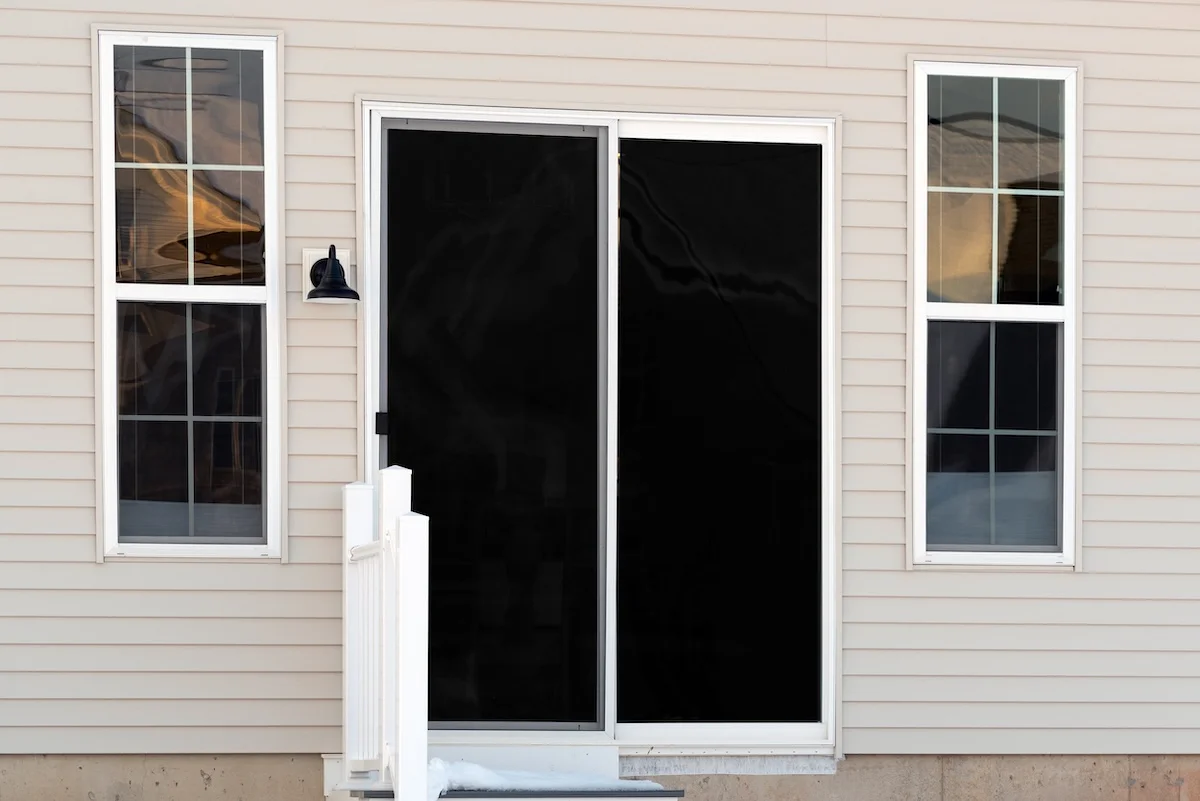
Even the most efficient window or door will underperform if installed poorly. Consequently, installation quality is just as important as product selection.
Proper installation typically includes:
Moreover, experienced installers understand Georgia’s humidity and heavy rainfall. They know how to seal openings to prevent moisture intrusion, which protects both your energy performance and your home’s structure.
If a full replacement is not in your plans this year, you can still reduce energy loss with smaller improvements. These steps are affordable and easy to start.
Try these quick fixes:
These measures will not replace the performance of new windows and doors, but they can make a noticeable difference while you plan for future upgrades.
At Georgia Home Remodeling, we help homeowners choose windows and doors that balance comfort, efficiency, and style. We assess your home, explain the ratings in plain language, and recommend options that fit your climate and budget. Our installation team focuses on tight, durable seals so your new products perform as intended. You can also explore our full range of home remodeling services to see how window and door upgrades fit into a larger renovation plan.
Window and door replacement is a powerful investment in energy efficiency, comfort, and long-term value. By understanding U-factors, SHGC ratings, air leakage, and quality installation, you can choose products that keep your home comfortable year-round while lowering energy use.
Ready to see how new windows and doors could improve your home? Contact Georgia Home Remodeling today to schedule a consultation and receive a personalized assessment of your energy efficiency upgrade options.